Thicker Hair: What Can Help When Yours Feels Thinner?
Have you noticed your hair doesn’t feel as full and thick as it used to, and you’re wondering what might help?
It’s a conversation we have often in the salon. You know your own hair, and noticing a change can leave you wondering where to start.
Over our years looking after clients, we’ve seen improvements after changes to hair care and everyday routines. Those experiences are worth sharing, without assuming that what helped one person will be the answer for everyone.
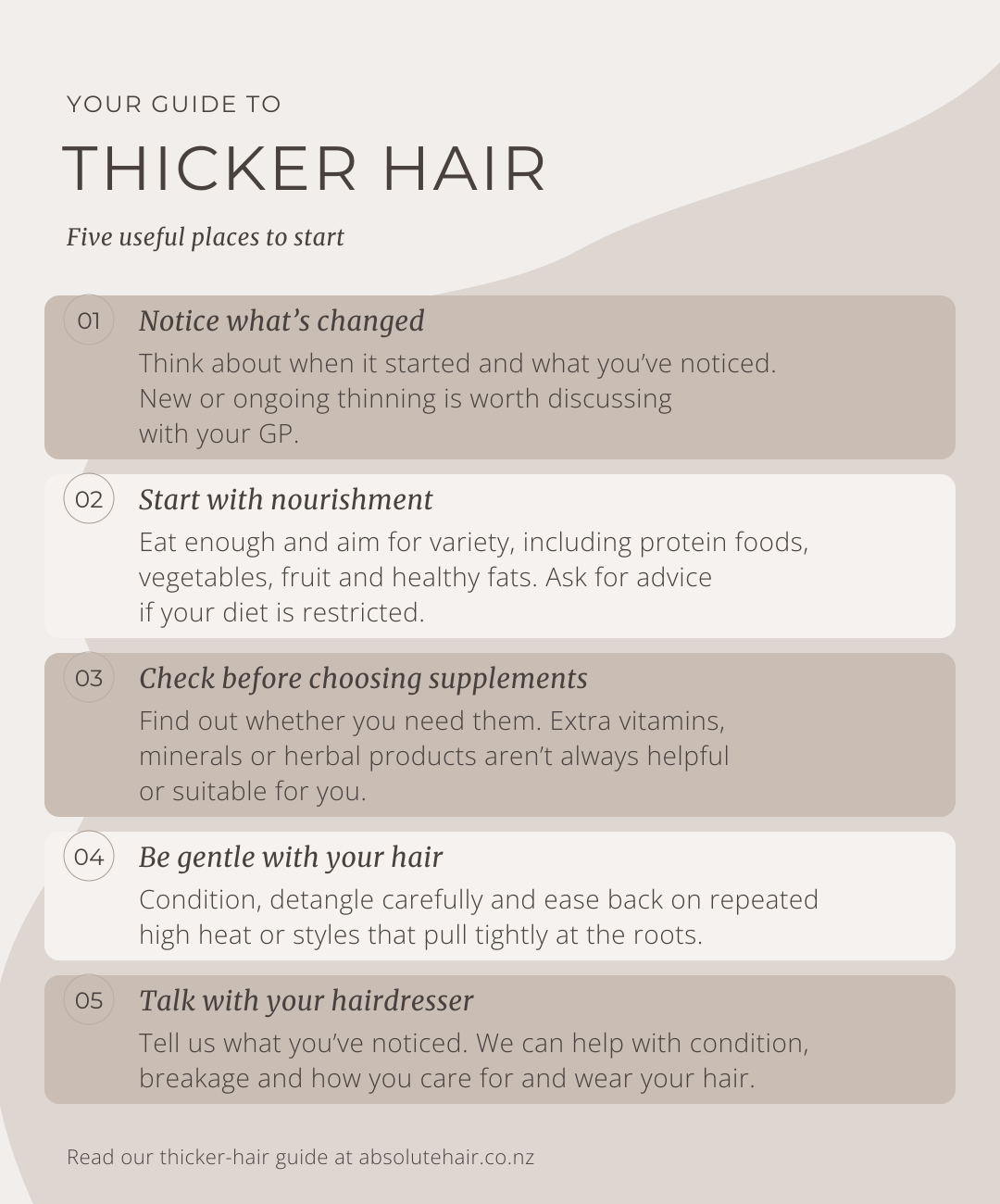
My hair doesn’t feel as thick as it used to. What could be changing?
Hair can change with age, including around menopause. Stress, illness, changes in nutrition and some medicines can also play a part. Sometimes the concern is shedding; sometimes breakage is leaving the lengths less full. These don’t all need the same approach.
We’ll listen to what you’ve noticed and look at your hair’s condition. If thinning is new or continuing, it’s worth speaking with your GP rather than putting it down to age. Sudden shedding, patches of hair loss or a sore scalp also deserve a check.
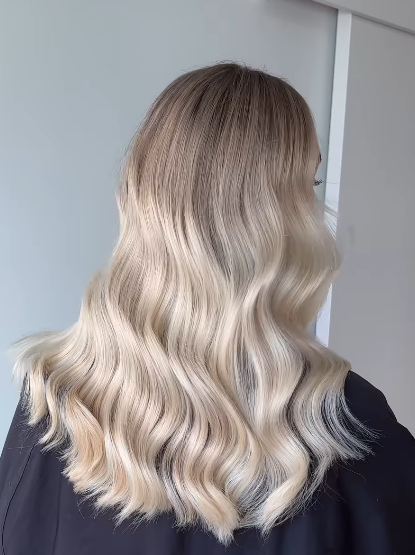
What can I do to make a difference?
Start with nourishment, not a long list of supplements. Eating enough and getting a varied diet matters for healthy hair. Include protein foods such as eggs, fish, beans or tofu, alongside vegetables, fruit and sources of healthy fats such as nuts and seeds.
If you’ve been eating less, changed your diet or cut out whole food groups, mention that when getting advice. A GP or registered dietitian can help identify whether something is missing. Correcting a shortfall may help; taking extra nutrients when you already have enough is a different matter.
It can also help to note when the change began and anything else that changed around that time. You don’t need to work out the cause yourself. That information gives the conversation a useful starting point.
What about hair supplements or rosemary oil?
There are plenty of suggestions online, and clients ask us about them too. Some are worth discussing, but they don’t all have the same evidence behind them.
- Biotin, iron and zinc: a deficiency can affect hair, but extra supplements aren’t a reliable route to thicker hair if your levels are already adequate. Ask whether a deficiency needs checking before buying them.
- Vitamins A and E: these belong in a balanced diet, not a “more is better” hair routine. Too much can contribute to hair loss.
- Rosemary oil: there is some research into particular hair-loss conditions, but it isn’t a proven answer for every kind of thinning. Scalp irritation is possible, so seek advice about a suitable formulated product rather than applying undiluted essential oil.
- Saw palmetto: you may see it promoted for hair growth. Research is too limited to recommend it as a reliable treatment, particularly for women’s changing hair. It may be unsafe during pregnancy or breastfeeding; check with your pharmacist or GP before considering it.
- MSM and silica: claims often go further than the evidence. Limited research on a particular silicon formulation doesn’t establish that all silica products grow thicker hair. We wouldn’t promise hair growth from either ingredient.
Bring the product name or label to your pharmacist or GP, especially if you take medication. Mention biotin before blood tests because it can interfere with some results. We don’t recommend iodine or kelp as a hair-thickening remedy; thyroid concerns need medical advice.
What can I do to protect my hair and reduce breakage?
Looking after the hair you have is worthwhile alongside investigating any thinning.
- Detangle gently, without pulling through knots.
- Use conditioner suited to your hair and follow the product directions.
- Ease back on repeated high-heat styling and tight hairstyles that pull at the roots.
- Tell us about breakage before your next colour appointment so we can consider it in your plan.
Our hair-washing guide walks you through the everyday basics.
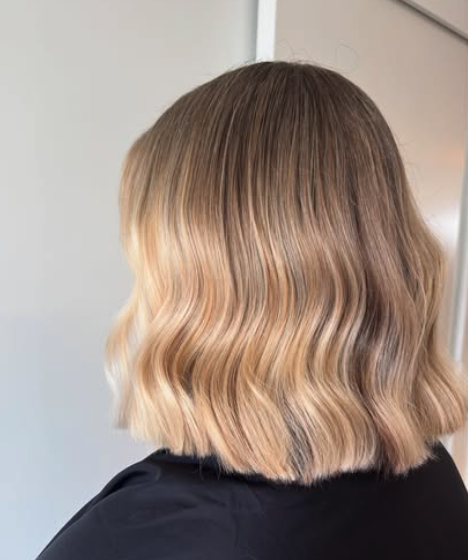
How can my hairdresser help?
We can help you care for fragile lengths, choose suitable conditioning or treatment options, and make your hair easier to manage.
Treatments can also help care for hair that’s prone to breakage. Depending on your hair, we may recommend a protein treatment, a moisture treatment or a bond-repair treatment such as Olaplex. They do different jobs, so we’ll help you choose what your hair needs.
Explore our salon hair treatments. Helping reduce breakage is different from treating the cause of hair loss.
A different cut can also help your hair look fuller while you work through what’s changing. It doesn’t automatically mean going short. We’ll consider the length you enjoy, the shape of the ends and where to keep weight or add movement, then show you a few styling ideas that work for you.
Let’s find what works for your hair
Tell us what you’ve noticed, what you’ve tried and what you’re hoping to improve. We’ll share our experience, help with the things we can change in the salon, and be clear when another kind of advice would be useful.
New to Absolute Hair? Explore your first-visit haircut options.
Already visiting us? Mention what you’ve noticed at your next appointment.








Leave a Reply
Want to join the discussion?Feel free to contribute!